


Printer Repairing in vadodara.
2026-06-26T05:02:55  read more
 read more
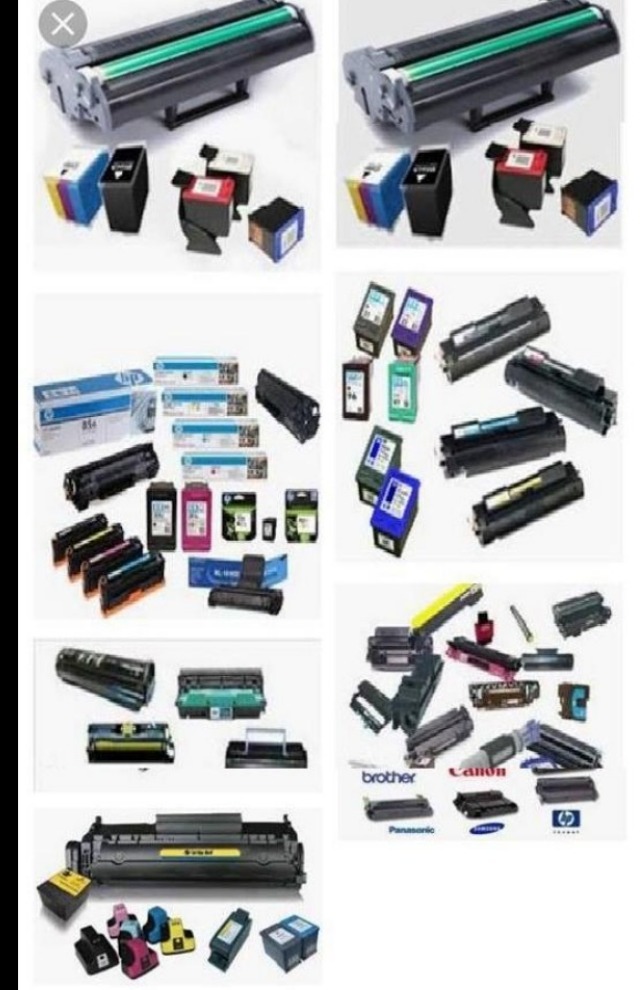

Refilling and recycling printer cartridges isn't just a smart way to save a significant amount of money; it’s one of the easiest ways to reduce electronic waste. Whether you are using a standard home inkjet or a heavy-duty industrial batching printer, there is almost always a sustainable path forward. Here is a breakdown of how we handle the different types of cartridges and why it matters. 1. Laserjet Toners (The Workhorses) Laser printers use toner powder rather than liquid ink. Because these cartridges are made of sturdy plastic and complex gears, they are perfect candidates for refurbishment. The Refilling Process: We don't just 'drill and fill.' A proper refill involves cleaning the waste bin, inspecting the Organic Photo Conductor (OPC) drum, and replacing the chip so your printer recognizes the cartridge as 'full.' The Benefit: You can often get the same page yield as an OEM (Original Equipment Manufacturer) cartridge at 30% to 60% of the cost. 2. Inkjet Cartridges (The Daily Drivers) Inkjet cartridges are more delicate and rely on thermal or piezoelectric technology to spray ink. Refilling: We use vacuum-refilling stations to ensure no air bubbles get trapped in the print head, which prevents 'streaking.' Recycling: If the copper contacts are scratched or the print head is burnt out, the cartridge can't be refilled. In these cases, we ensure the plastic and precious metals are stripped and recycled properly. 3. Batching & Industrial Printers Industrial 'batch' printers (used for printing expiry dates, barcodes, or batch numbers on packaging) often use specialized TIJ (Thermal Inkjet) or CIJ (Continuous Inkjet) technology. High-Volume Savings: Since these printers run 24/7, the cost of specialized solvent-based inks adds up quickly. Compatibility: We ensure the replacement inks match the viscosity and drying time required for specific surfaces like plastic, glass, or metal.
 read more
  read more
 We hate spam too.


